Interview · October 27, 2026
Designing Your Future: How to Build a Career as a Handbag Designer
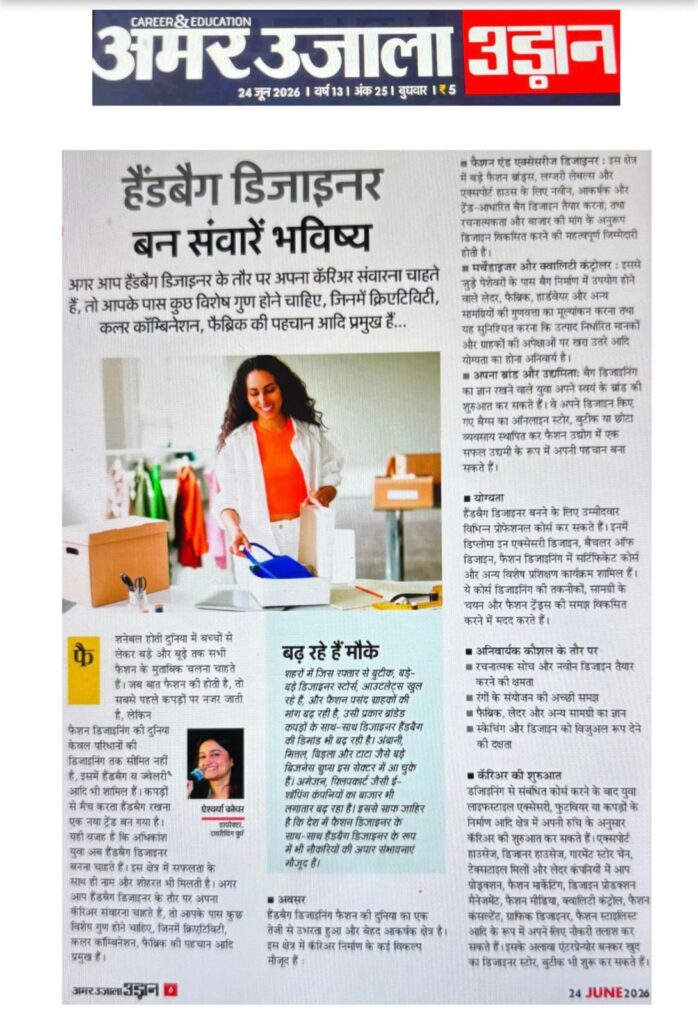
Fashion is no longer just about the clothes we wear. Today, from kids to the elderly, everyone wants to stay on trend, and accessories play a starring role. While clothing often grabs the first glance, the fashion design world has expanded massively into handbags and jewelry. In fact, matching the perfect handbag with an outfit has become a defining trend of modern style.
If you have an eye for detail and a passion for fashion, a career as a handbag designer might just be your ticket to both creative fulfillment and industry success. Based on a recent feature in Amar Ujala Udaan (June 24, 2026), here is a complete guide to carving out your niche in this booming sector.
Why Handbag Design? The Opportunities are Growing
The fashion retail landscape is evolving rapidly. Boutiques, large designer stores, and outlets are opening at an unprecedented pace. As the demand for designer clothes rises, the appetite for designer handbags follows right alongside it.
According to Aishwarya Kochhar (Director, Everything Purses), this shift is precisely why many young creatives are flocking to handbag design to find name and fame. Major Indian conglomerates like Ambani, Mittal, Birla, and Tata have already entered the fashion business sector, and e-commerce giants like Amazon and Flipkart have massively expanded the market reach. This corporate push translates to immense job opportunities for skilled designers.
Essential Skills You Need to Succeed
To thrive as a handbag designer, raw passion needs to be backed by specific technical and creative skills:
- Creative Thinking: The ability to conceptualize fresh, innovative designs.
- Color Theory: A strong understanding of color combinations and trends.
- Material Knowledge: Deep familiarity with fabrics, leather, hardware, and other raw materials.
- Sketching and Visualization: The proficiency to translate an idea from your mind onto paper (or screen) effectively.
Educational Qualifications
While raw talent goes a long way, formal education helps you understand the technicalities of bag making, material selection, and trend forecasting. Aspiring designers can pursue:
- Diploma in Accessory Design
- Bachelor of Design (B.Des)
- Certificate courses in Fashion Designing
These professional courses equip candidates with the industry-standard techniques required to bring high-quality accessories to life.
Career Paths in Handbag Design
The accessory sector offers a highly attractive and rapidly emerging world of opportunities. Some of the key roles you can step into:
- Fashion and Accessories Designer — create new, attractive, trend-based bags for major fashion brands, luxury labels, and export houses, balancing creative vision with market demand.
- Merchandiser and Quality Controller — evaluate the quality of leather, fabric, hardware, and other materials, ensuring the finished product aligns with brand standards and customer expectations.
- Independent Brand and Entrepreneurship — launch an online store, a boutique, or a small studio and build your own label in the fashion industry.
How to Kickstart Your Career
After completing a relevant course, young professionals can start their careers in lifestyle accessories, footwear, or clothing manufacturing. You can seek employment in:
- Export Houses & Designer Houses
- Garment Store Chains
- Textile Mills & Leather Companies
- Fashion Media & Marketing
Whether you aim to become a production manager, fashion consultant, stylist, or run your own design studio, the world of handbag design offers a canvas as broad as your imagination.
Adapted from an article featured in Amar Ujala Udaan.